Most marketing compliance problems don’t announce themselves. They accumulate quietly — in the buffer time built into campaign timelines, in the revision rounds that seem to multiply, in the nagging sense that the approval queue is never quite under control. By the time a compliance failure actually reaches market, the warning signs were usually there long before.
In this article
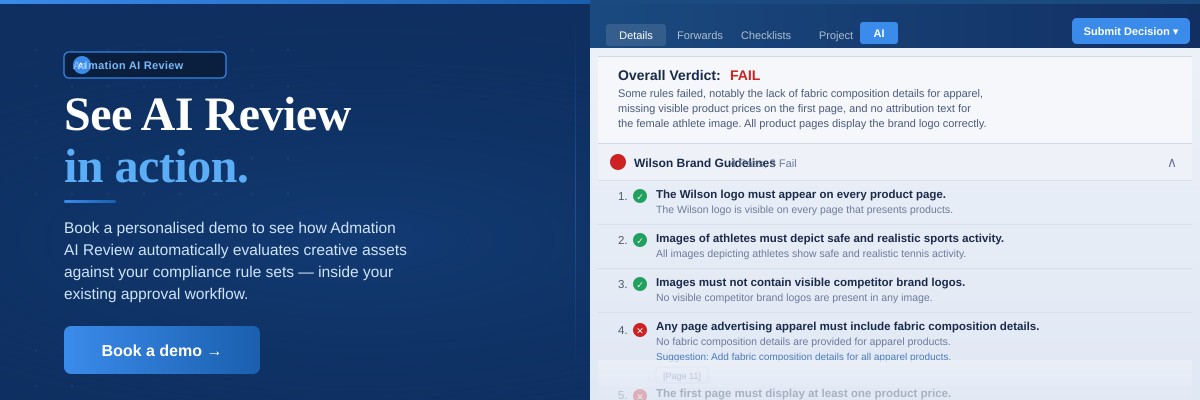
• Manual compliance review processes are under structural pressure from growing content volume and increasing regulatory complexity — and most teams are already showing the warning signs• Late-stage compliance catches, recurring errors, built-in buffer time, vague feedback and audit gaps are symptoms of a process that isn't scaling — not individual reviewer failure• Each sign has a structural cause and a structural fix — moving compliance checking earlier in the workflow, before human review begins• Admation AI Compliance Checking lets teams run an on-demand check on any asset against uploaded compliance documents, pre-built regulatory rule sets or brand guidelines — returning a findings summary of • Rules Passed, Rules Failed, Rules Uncertain and Average Confidence % before any reviewer opens the file
Read the full guide: Why manual compliance review is breaking down — and how AI changes the equation
Read more Australian marketing teams operate in one of the most heavily regulated environments in the world. Depending on your industry, marketing content may need to comply with the Privacy Act 1988, SPAM Act 2003, Australian Consumer Law, ASIC Regulatory Guide 234 (RG 234), APRA governance requirements, or the Therapeutic Goods Advertising Code.
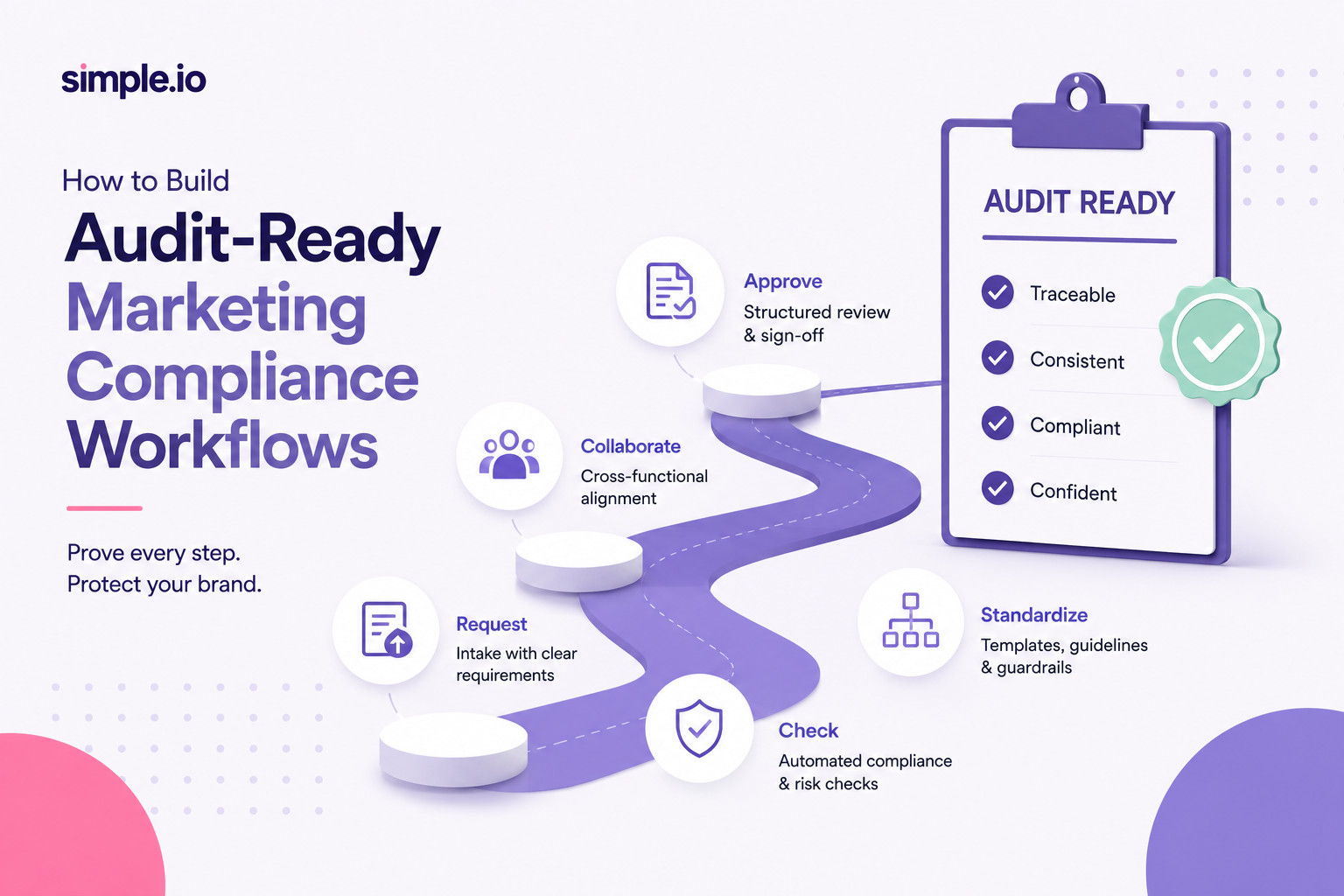
For marketing leaders, compliance is no longer just a legal concern. It has become an operational challenge. Teams need to manage reviews, approvals, disclosures, audit trails, version control and increasingly, AI-generated content.
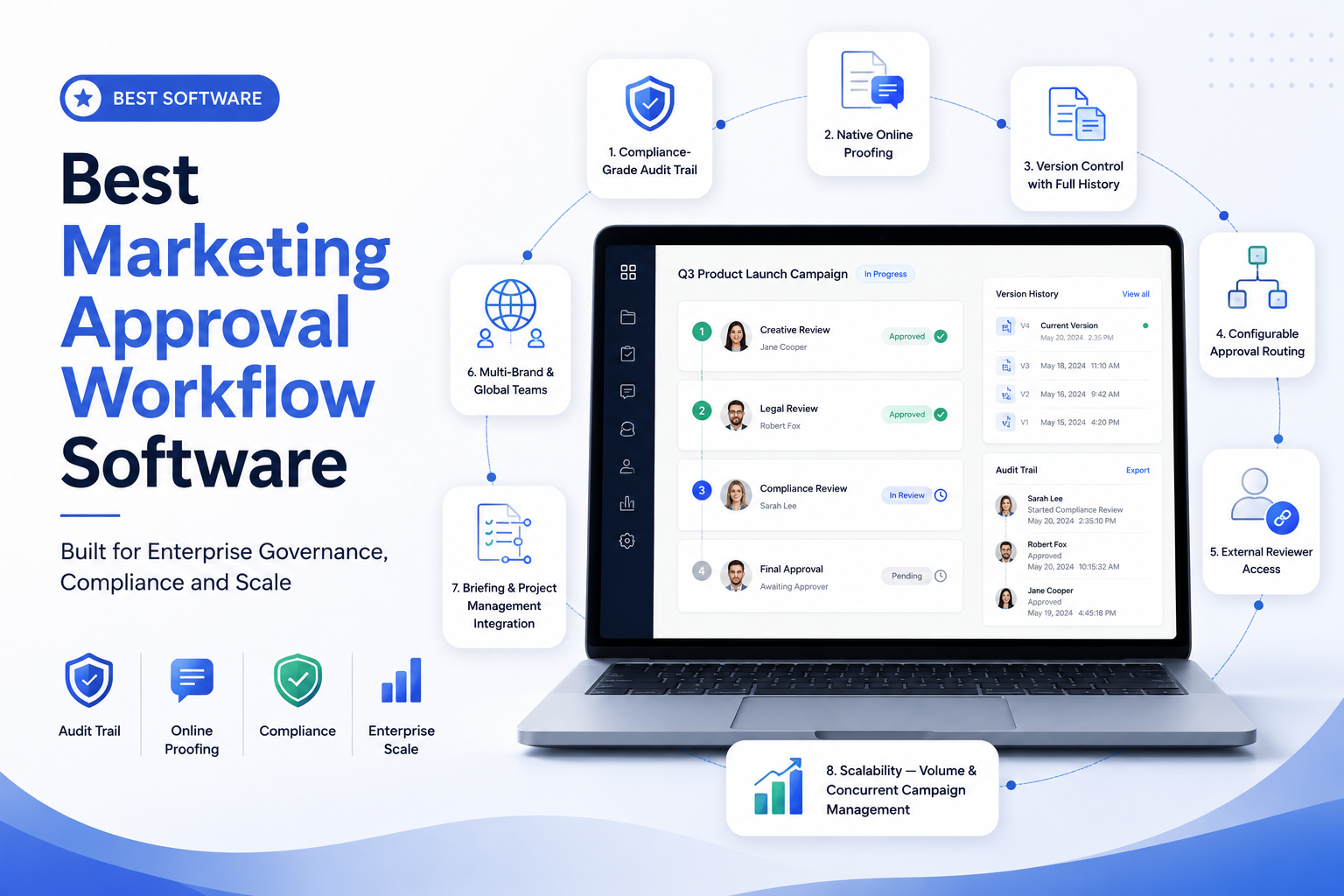
Marketing compliance software helps organisations manage the processes, approvals and governance controls required to ensure marketing content meets regulatory, legal and brand requirements before publication.
Read more Product data is the operational foundation of modern retail. Every product page, every catalogue, every eDM, every in-store display — all of it starts with product information. And for most retailers, managing that information is harder than it should be.
This guide is for retail marketing, merchandise and operations teams who are managing product data at scale — or who are about to be. It covers how a retail PIM works from end to end: from getting product data off vendors, through enrichment and approval, to multichannel distribution and promotion production.
If you're looking for a definition-first explanation of PIM software, start with What Is PIM Software? This guide picks up where that one leaves off — focusing on the retail workflow, the practical decisions, and where things break down. Read more
How to set up, run, and continuously improve the approval workflow that gets your marketing to market faster.
Most marketing teams don't have an approval problem. They have a process problem. The approvals themselves aren't the bottleneck - the bottleneck is the informal, ad hoc system around them: email chains, unclear responsibilities, feedback arriving at the wrong time from the wrong people, and no mechanism to prevent the same delays from repeating on the next campaign.
This guide covers how to audit your current process and identify where it actually breaks down, how to build a step-by-step approval workflow that runs consistently, the best practices that separate high-performing marketing teams from those perpetually behind schedule, the bottlenecks that derail even well-designed workflows, and how to get your team to genuinely adopt a new process once you have designed one.
For the theory - what a marketing approval workflow is, why it matters, and the key benefits - see the complete guide to marketing approval workflow. This guide is focused on the practical: what to build and how to run it.
New to approval workflows? Start with the Quick Start Guide to Understanding Approval Workflow Solutions.
Read more Every marketing team reaches a tipping point. Projects are multiplying. Deadlines are tightening. Feedback is scattered across email threads, Slack messages, and spreadsheet comment columns. Someone approves an outdated version. A compliance issue slips through. And suddenly, the real cost of your approval process becomes very clear.
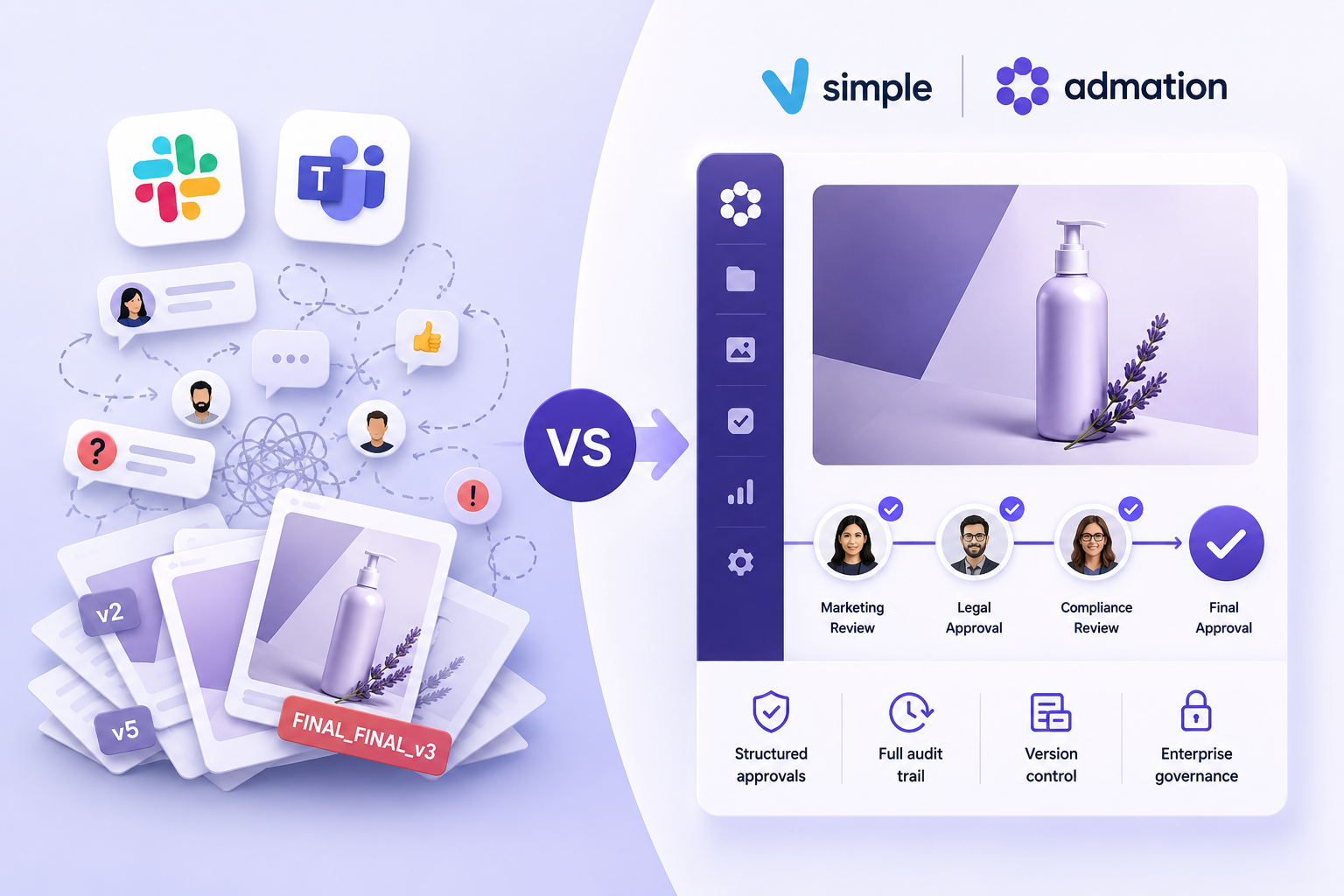
Online proofing software exists to solve exactly this. It replaces the manual, fragmented tools that marketing and creative teams have relied on — email, spreadsheets, printed mark-ups — with a single, structured platform where every review, annotation, and approval is tracked, visible, and accountable.
This guide covers everything you need to know: what online proofing software is, the signs your team needs it, the concrete benefits it delivers, how it integrates with your wider marketing tech stack, and a practical framework for choosing the right platform.
What is online proofing software? Online proofing software is a digital platform that enables marketing and creative teams to review, annotate, and approve creative assets — including images, PDFs, videos, and web content - within a single centralised workspace. It replaces email-based feedback with structured workflows, version control, and a full audit trail of every comment, change, and approval.
Read more
Marketing approval checklists are structured sets of review criteria that reviewers complete before approving a piece of content. They make sure every campaign, asset or communication is assessed against the same requirements — covering brand, legal, compliance and product checks — so nothing slips through before publication.
For teams managing high volumes of digital, print and video work, checklists turn an inconsistent, memory-based review into a repeatable process. This article explains what approval checklists are, why approvals fail without them, what to include, how they work in practice, and how they strengthen compliance and reduce rework.
Read more
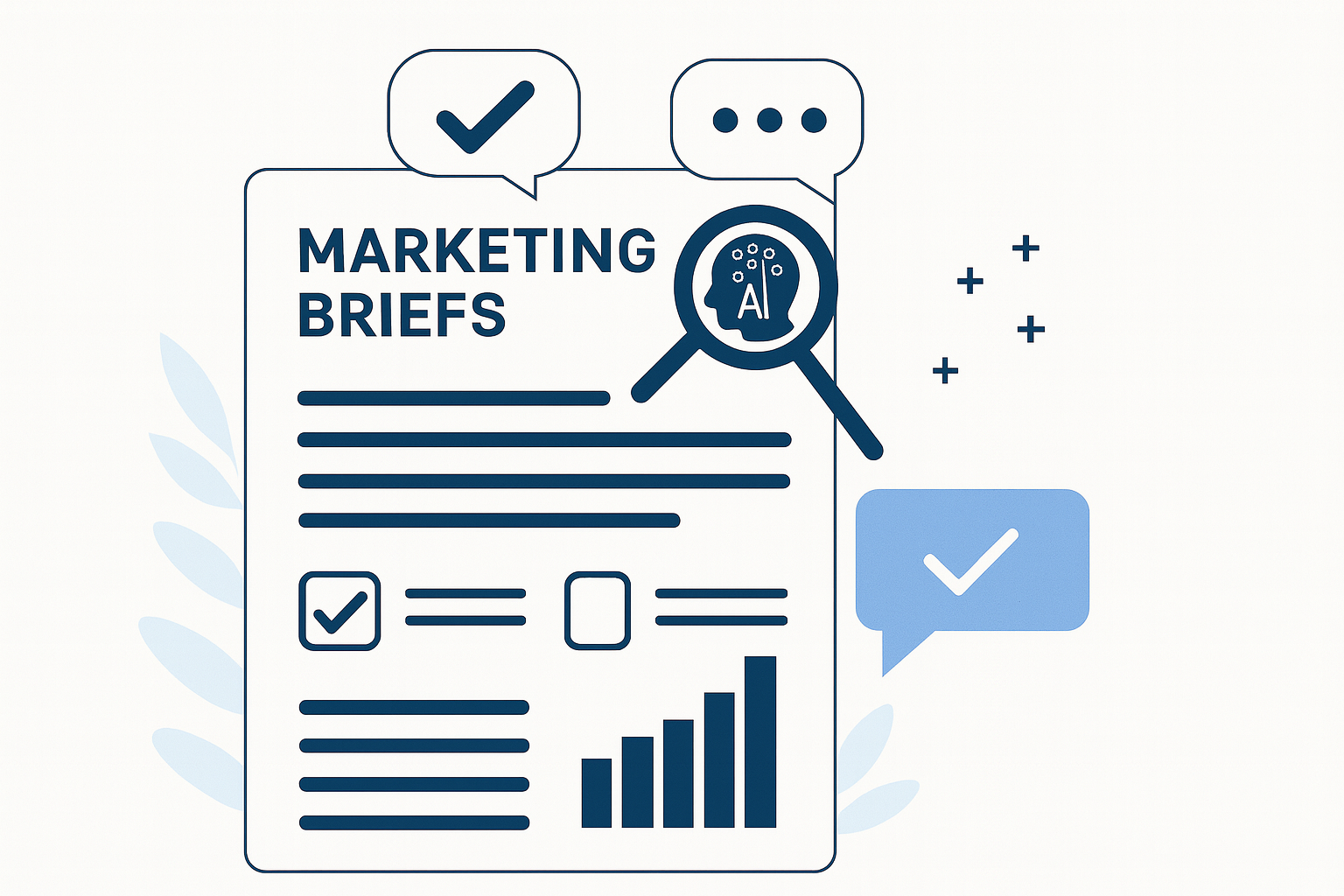
The most common bottlenecks in a marketing approval process are incomplete briefs, too many approvers, scattered feedback, slow compliance reviews, and overloaded creative teams. Each one is fixable — usually with a mix of clearer process and purpose-built approval tooling. This guide covers all five: the symptoms that signal each, and the practical steps that get content moving again.
What causes bottlenecks in the marketing approval process?
Approval bottlenecks form wherever work piles up faster than it can move to the next stage. In most marketing teams that happens at five predictable points: the brief, the approval chain, the feedback round, compliance sign-off, and team capacity. Working out which of the five is slowing you down is the first step to fixing it.
It helps to picture the journey a piece of content takes before it goes live. Strategists set the direction, designers and copywriters produce the work, legal and brand stakeholders review it, and a final decision-maker signs it off. A bottleneck is simply the point in that chain where the hand-off stalls — and it is almost always a symptom of a structured process being run through unstructured tools.
Read more